
The Best Pickles to Pair with Charcuterie

This post may contain affiliate links. As an Amazon Associate, I earn from qualifying purchases. View our full disclosure here.
If your charcuterie board feels like it’s missing something, it probably needs a little pickle power. From crunchy cornichons to sweet peppers and pickled fruit, these tangy bites balance all those rich meats and cheeses and make the whole board more interesting.
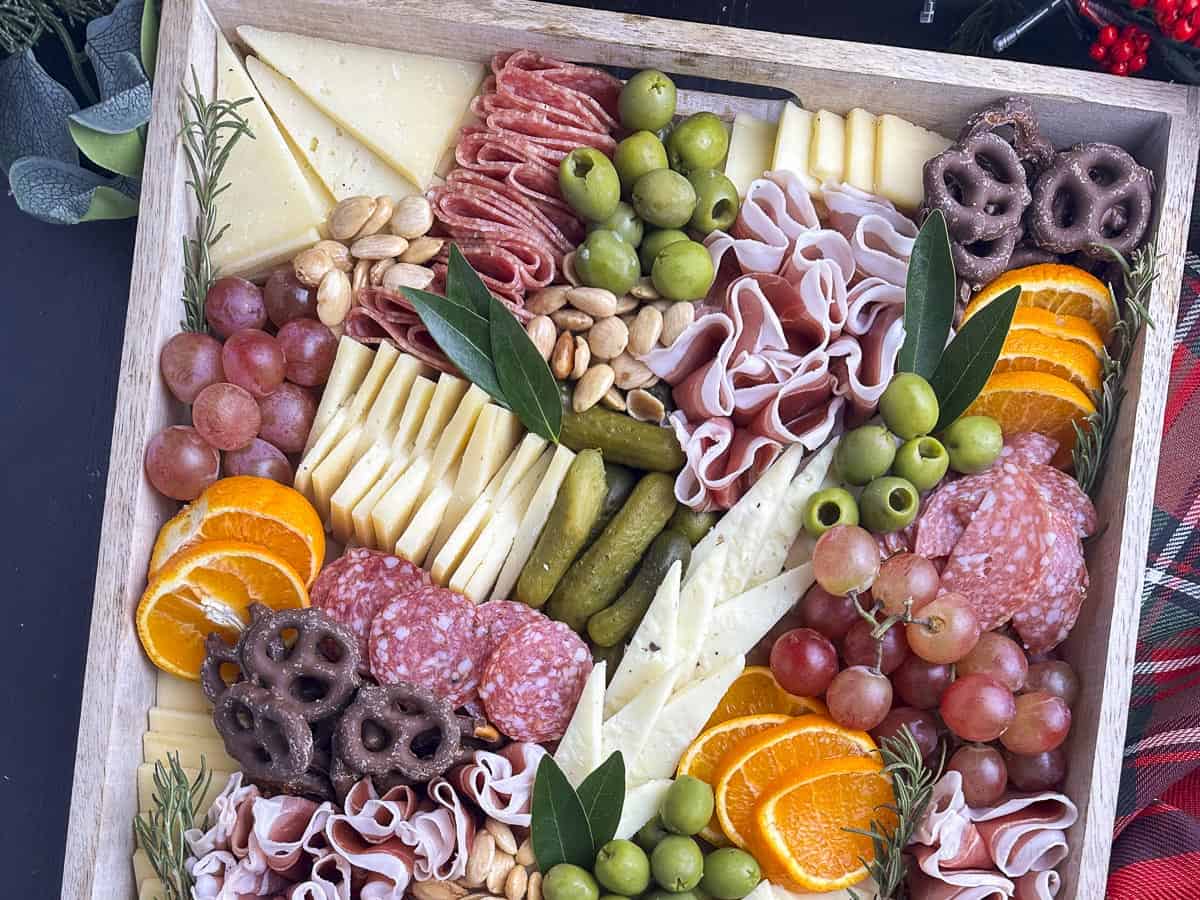
A Little Tang Goes a Long Way
Years of working in restaurants taught me how much a sharp, acidic bite can change an entire plate. The same idea applies to charcuterie: pickles cut through rich cheese and cured meat, refresh your palate, and keep each bite from feeling too heavy.
And we’re not stopping at cucumber pickles here. I’m using “pickles” as a friendly catchall for the briny additions that make a board more interesting—from cornichons and pickled onions to Italian giardiniera, peppers, and even pickled fruit.
If you’re building a board from scratch, start with my simple charcuterie board guide, then come back here to choose the best tangy pairings.
Why Pickles Belong on a Charcuterie Board
Pickles do more than fill an empty spot on the board. Their acidity cuts through buttery cheese and fatty cured meat, while their crunch adds contrast to softer ingredients like Brie, pâté, and fresh mozzarella.
The key is to offer a small mix of flavors rather than several pickles that taste alike. I usually choose two or three briny additions—perhaps tart cornichons, something gently sweet, and a colorful pepper or pickled fruit. That gives guests a few different pairings without letting the pickles take over the board.
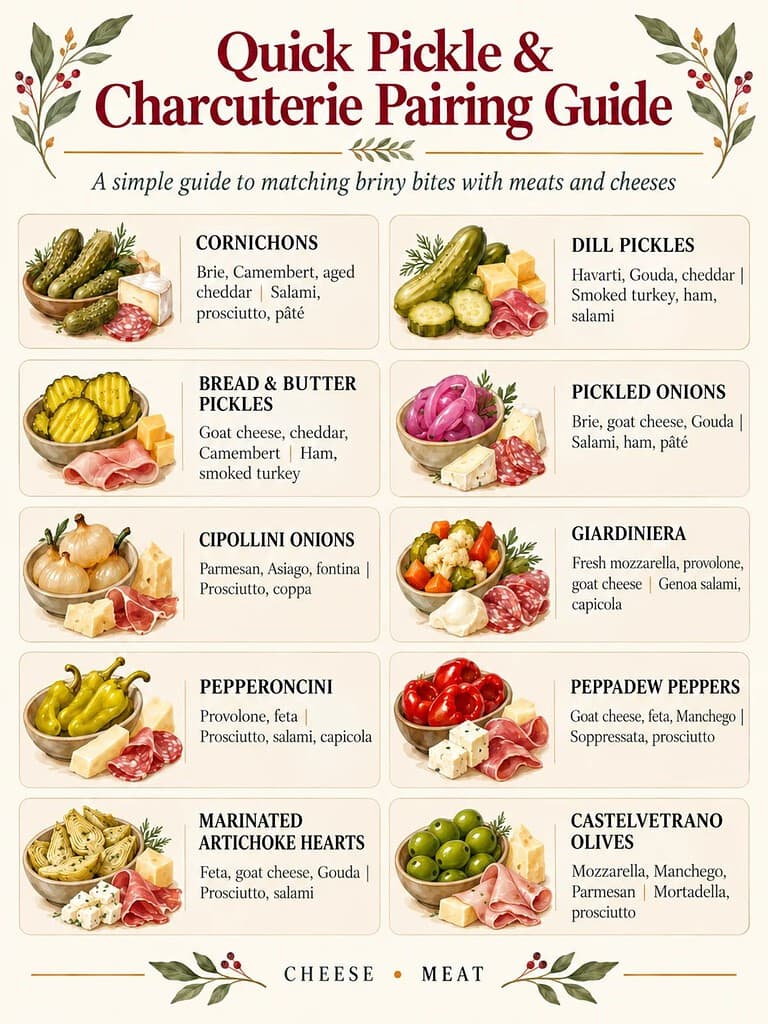
Classic Pickles for Charcuterie
These familiar favorites are a good place to start. Each one brings a slightly different balance of tanginess, sweetness, and crunch to the board.
Dill Pickles
Dill pickles bring plenty of crunch along with familiar notes of garlic and herbs. Pair them with smoked turkey, ham, or salami and cheeses such as Havarti, Gouda, or sharp cheddar.
My personal refrigerator staple is Grillo’s Pickles, which you’ll usually find in the refrigerated section. The crisp texture and fresh dill flavor work especially well when you want something casual and crowd-friendly.
Cornichons
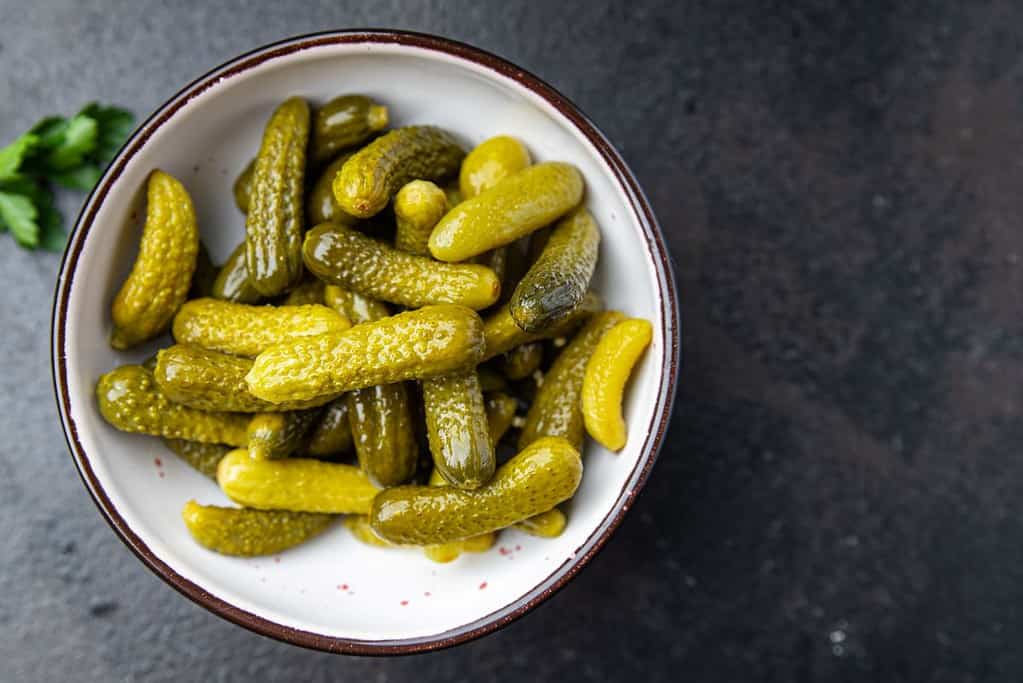
Those tiny pickles served with charcuterie are called cornichons (pronounced COR-nee-shons). These crisp French pickles are especially tart, making them a classic match for salami, prosciutto, pâté, Brie, and aged cheddar.
Cornichons are made from small gherkin cucumbers, but the terms aren’t interchangeable. A gherkin is the cucumber itself, while a cornichon is the tart French-style pickle made from it.
Bread and Butter Pickles
Bread and butter pickles are sweeter and milder than cornichons or dill pickles. They’re a good choice for guests who don’t enjoy strongly sour flavors, especially alongside ham, smoked turkey, cheddar, goat cheese, or Camembert.
Pickled Onions
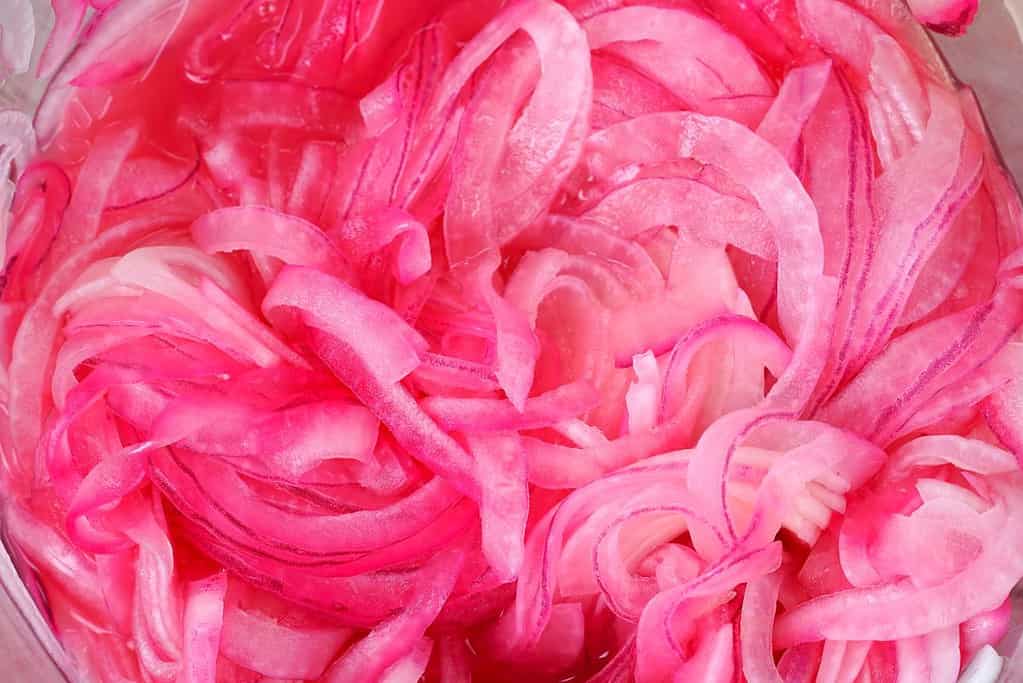
Pickled red onions and pearl onions add tanginess, color, and a touch of sweetness. Try them with salami, ham, or pâté and creamy cheeses such as Brie and goat cheese.
Because onions can release quite a bit of brine, I prefer serving them in a small bowl rather than directly on the board.
Balsamic Cipollini Onions
Cipollini onions are an Italian antipasto favorite with a soft texture and sweet-tart balsamic flavor. They pair beautifully with prosciutto or coppa and firm Italian cheeses such as Parmigiano-Reggiano and Asiago.
Look for them at an Italian market or in the antipasti and olive bar section of a well-stocked grocery store.
Pickled Vegetables and Other Briny Additions
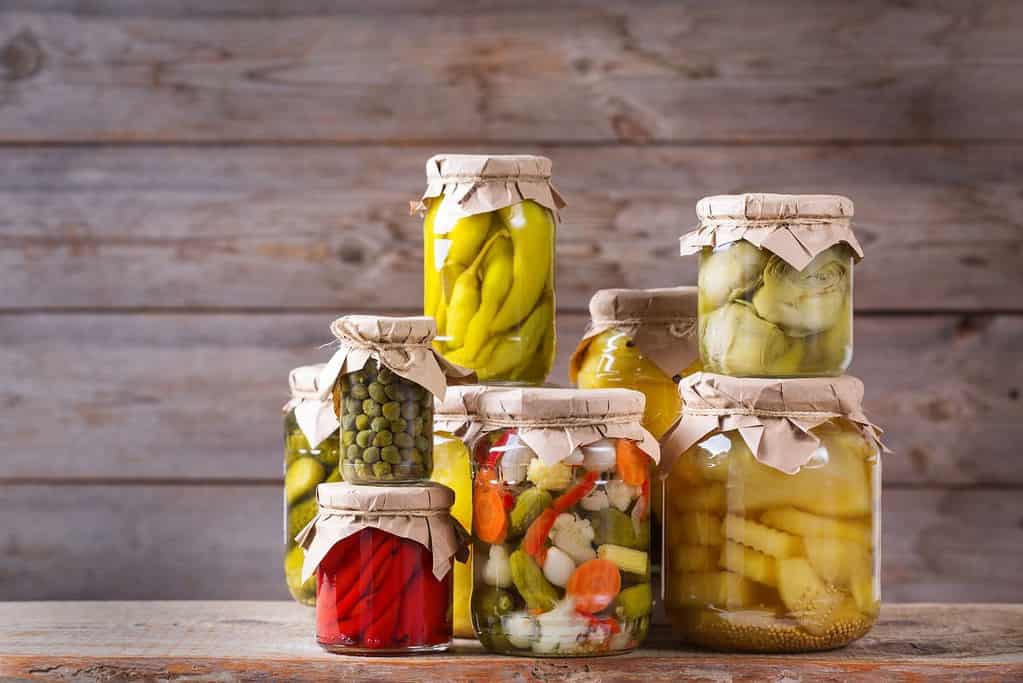
Cucumber pickles may be the classic choice, but vegetables, peppers, olives, and other briny bites give you even more ways to add color and contrast. Choose one or two that suit the meats and cheeses already on your board.
Giardiniera
Giardiniera is an Italian mix of pickled vegetables that commonly includes cauliflower, carrots, celery, and peppers. It can range from gently tangy to noticeably spicy, so check the label before serving.
Pair it with Genoa salami, capicola, or prosciutto and cheeses such as provolone, fresh mozzarella, or goat cheese. Drain it well and serve it in a small bowl to contain the brine.
Capers and Caper Berries
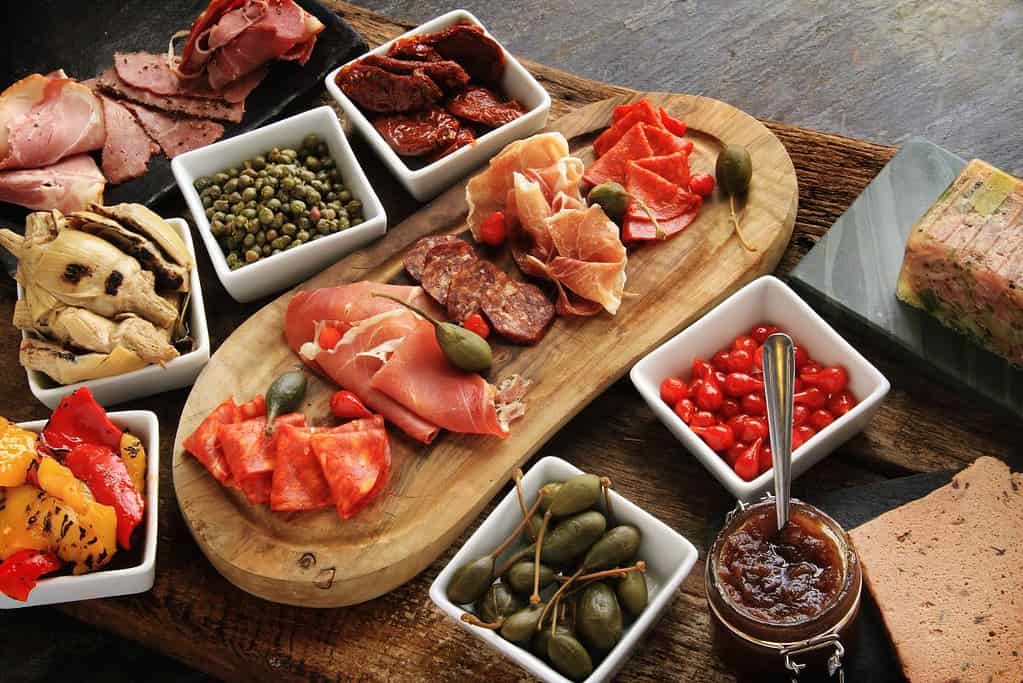
Capers add a concentrated salty bite, while caper berries are larger, milder, and easier to serve with cocktail picks. Caper berries are especially lovely with smoked salmon, pâté, prosciutto, goat cheese, or creamy Brie.

Pepperoncini
Pepperoncini are mild pickled peppers with a tangy, lightly sweet flavor. They work well with prosciutto, salami, capicola, feta, and provolone and are a good choice when you want brightness without much heat.
Pepper Drops
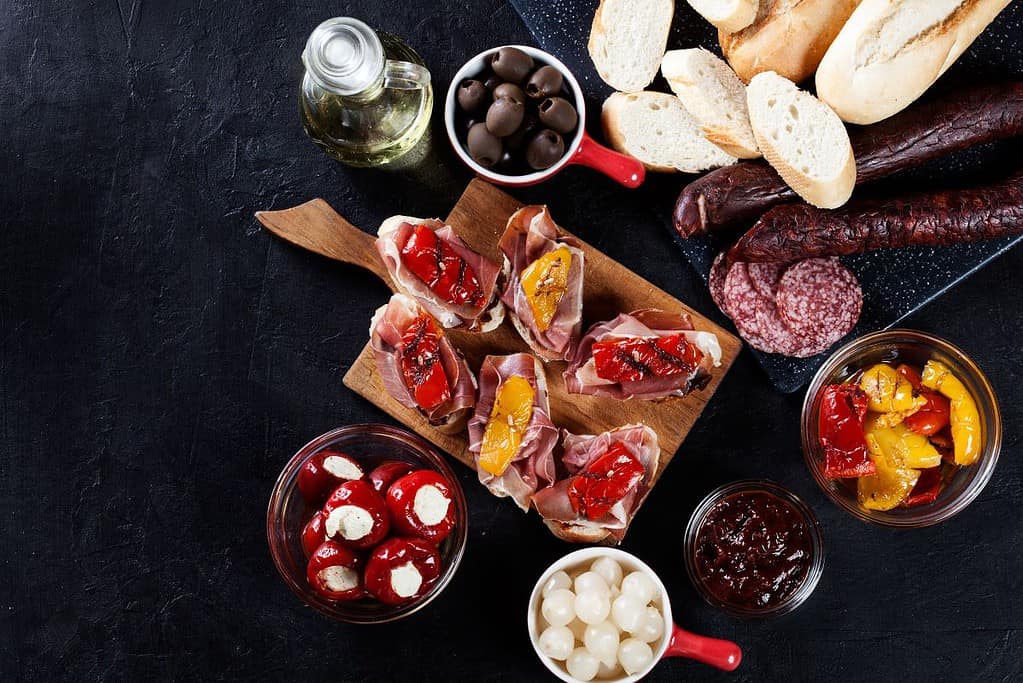
Also sold as Sweety Drops, these tiny teardrop-shaped peppers are sweet, tangy, and mild. Their bright color and petite size make them particularly pretty on a board alongside prosciutto, soppressata, Parmesan, or Gouda.
Peppadew Peppers
Peppadew peppers have a fruity, sweet-tangy flavor with a gentle kick. Pair them with prosciutto or soppressata and creamy cheeses such as goat cheese or feta.
For an easy bite that looks a little special, fill them with soft goat cheese before adding them to the board.
Artichoke Hearts
Marinated artichoke hearts aren’t technically pickles, but they bring the same welcome acidity. They pair nicely with prosciutto, salami, feta, Gouda, or goat cheese.
Pickled Mushrooms
Earthy pickled mushrooms make a savory addition to an Italian-inspired board. Pair them with salami or prosciutto and mild, creamy cheeses such as Brie, fontina, or goat cheese.
Olives
Olives aren’t pickles either, but they belong in the same briny family. Buttery Castelvetrano olives are mild and crowd-friendly, while Kalamata olives have a deeper, fruitier flavor that stands up to bold meats and cheeses.
Serve olives in a bowl with cocktail picks, and always let guests know if they still contain pits.
Specialty Pickled Fruit
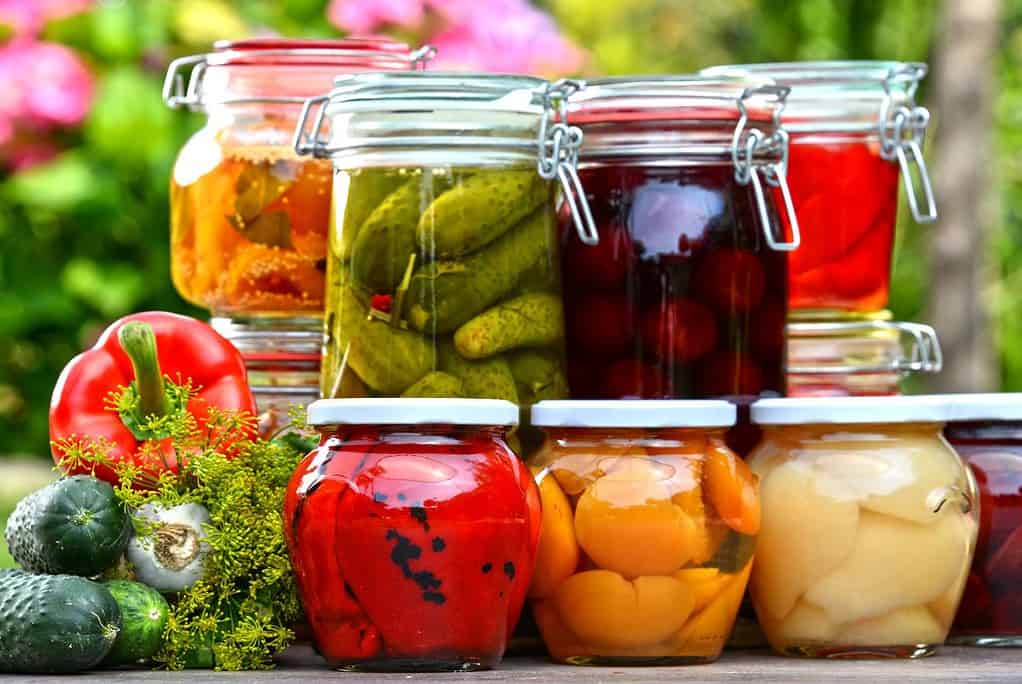
If you happen to spot pickled figs, cherries, peaches, or pears at a specialty market, they can be a lovely addition to a seasonal board. Their sweet-tart flavor pairs especially well with prosciutto, ham, Brie, goat cheese, blue cheese, and aged cheddar—but consider these a fun extra rather than a charcuterie essential.
How to Serve Pickles on a Charcuterie Board
A little goes a long way with pickled and briny ingredients. Plan on about 1 to 2 ounces per person in total, offering two or three different choices rather than a large quantity of one pickle.
- Drain them well: Excess brine can soften crackers and run into nearby cheeses.
- Use small bowls: Place onions, olives, giardiniera, artichokes, and other wet ingredients in ramekins.
- Add cocktail picks: Picks or tiny forks make slippery pickles easier to serve and keep fingers out of shared bowls.
- Spread them around: Place briny additions near the meats and cheeses they complement rather than grouping them all in one corner.
- Include a mild option: Bread and butter pickles, Castelvetrano olives, pepper drops, or Peppadews are friendly choices for guests who don’t love sharply sour flavors.
- Mind the pits: If you’re serving olives with pits, set out a small discard bowl and let your guests know.

FAQs
Keep Building Your Board
Once you’ve chosen your pickles, round out the spread using my guides to the best meats for charcuterie boards and best cheeses for a charcuterie board. You’ll also find plenty of pairing ideas in my guides to charcuterie crackers and the best jams and spreads for charcuterie.
For seasonal boards and more entertaining inspiration, browse all of my charcuterie board ideas.
Do you have a favorite pickle-and-charcuterie pairing I missed? Share it in the comments—I’m always looking for new combinations to try!




Wow. My mouth is watering. I love all this stuff. Let’s have a charcuterie feast!
Every day is charcuterie day in my book. 😉
This was an awesome site. I am having a 1920 party for over 60 people. I wouldn’t know where to start without your information. Thank you so very much
Glad to hear it! Thanks Nancy!