🍁 Behind the Recipes
A look at the experiences and ideas that shape every recipe at Maplevine Kitchen.
Every recipe has a story long before I start writing ingredient lists or testing measurements.
Sometimes it begins with the first heirloom tomatoes of summer. Other times it’s planning a holiday menu, finding beautiful asparagus at the farmers market, or remembering a memorable restaurant meal and wondering how I might create my own version at home.
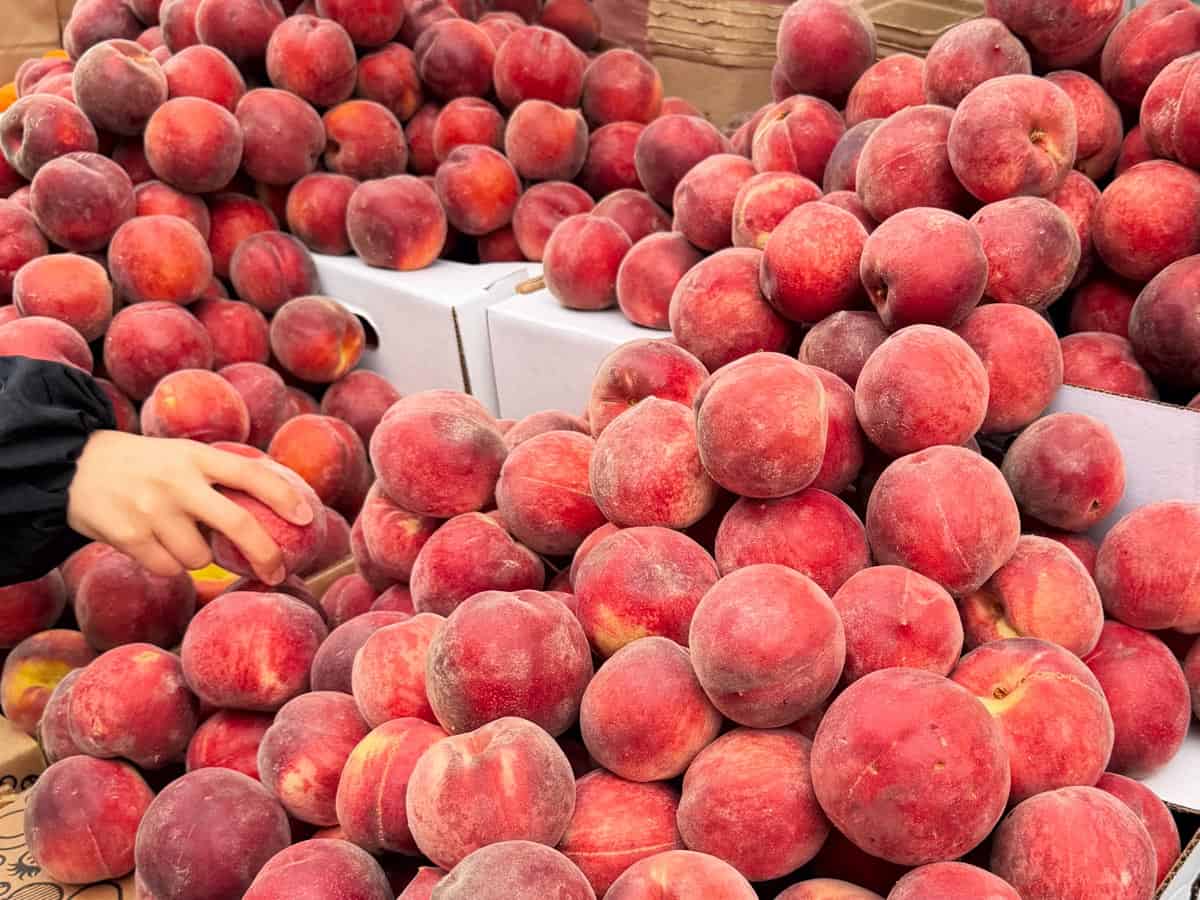
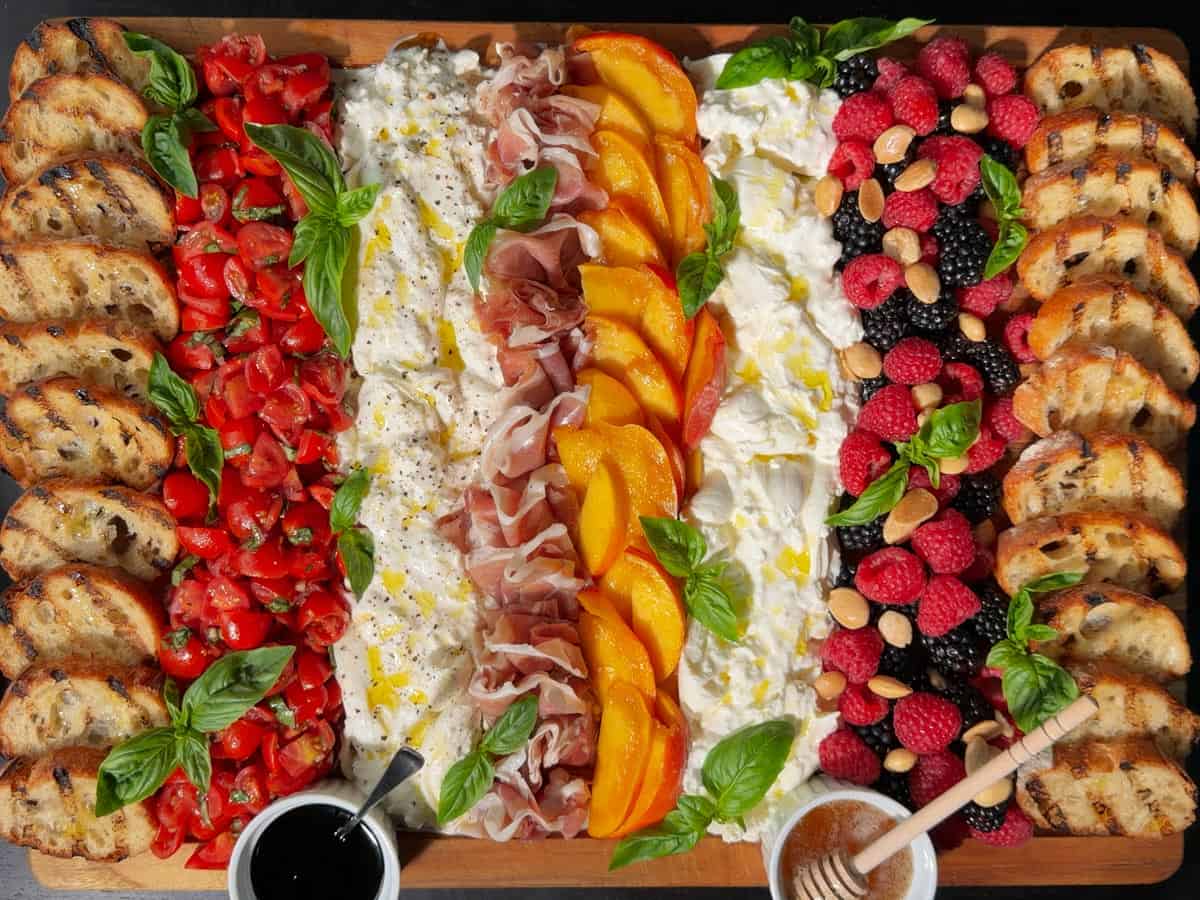
One morning in early July, I was walking through my local farmers market when a display of perfectly ripe peaches and nectarines stopped me in my tracks. I picked up a peach, held it to my nose, and breathed in its sweet floral aroma. Before I ever thought about a recipe, I was already imagining what those peaches would pair beautifully with. Creamy burrata. Salty prosciutto. Fresh basil. Maybe heirloom tomatoes while they were at their peak.
That’s often how recipes begin for me—not with a list of ingredients, but with a season, an ingredient, and the possibilities it inspires.
Where Inspiration Begins
Most of my recipe ideas begin with either a season or an occasion. I might want to create a fresh summer appetizer, a cozy fall dinner, or a side dish for a holiday table. From there, I usually choose at least one seasonal ingredient to build around.
When I visit a farmers market, my eye naturally goes to color and shape before anything else. I’m looking for ingredients that belong together, not only because they complement one another in flavor, but because they create balance through color, texture, and freshness. Often, the season has already done some of the pairing work for me.
Sometimes inspiration comes from somewhere else entirely.
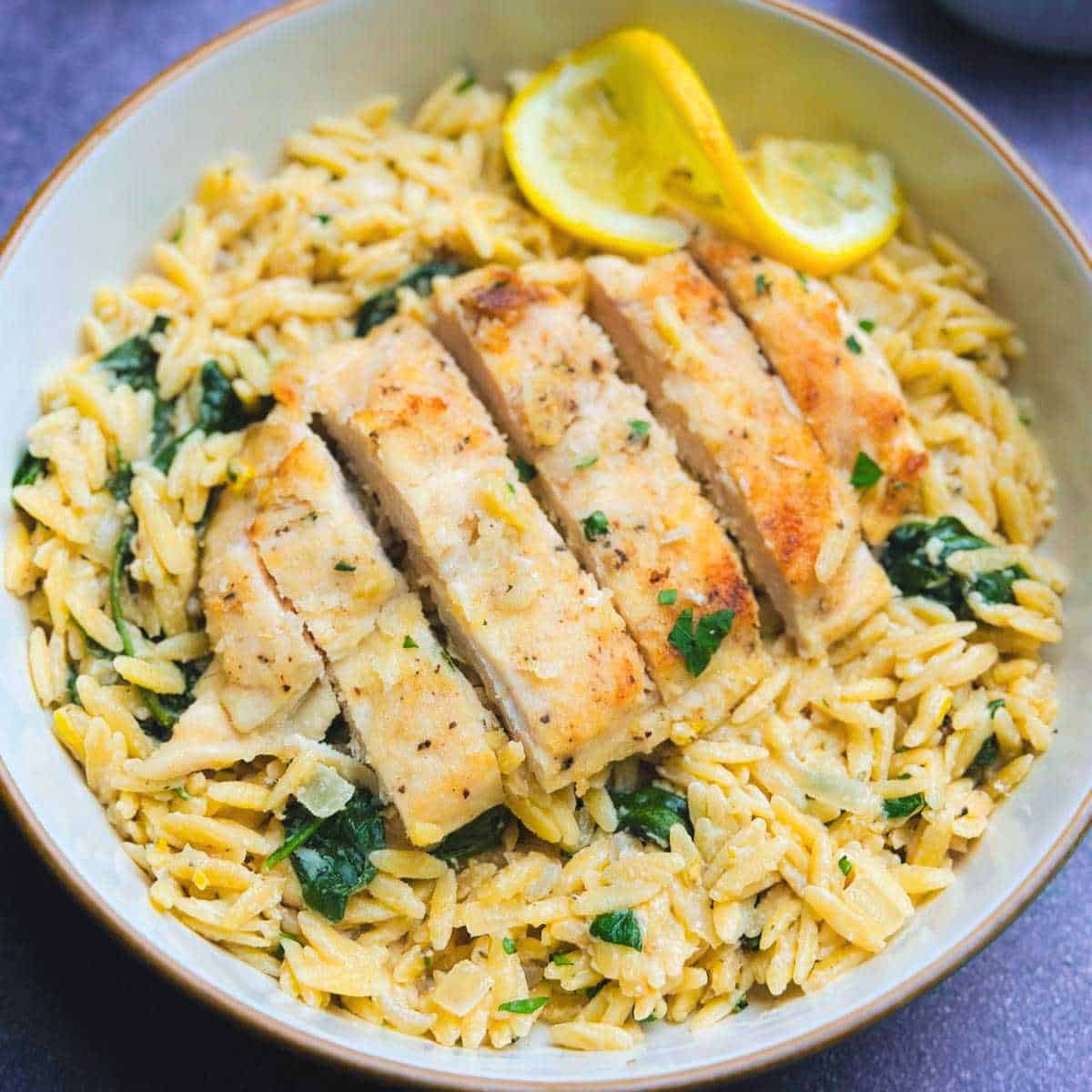
My Chicken al Limone, for example, grew out of memorable versions I’d enjoyed at Italian-American restaurants over the years. I loved the bright lemon sauce and golden chicken cutlets, but I wanted to create my own version—one that captured everything I loved about those restaurant meals while still feeling approachable enough for a home kitchen.

That balance between restaurant inspiration and everyday cooking has shaped the way I develop recipes ever since.
Lessons from Restaurant Life
I spent more than fifteen years working in restaurants, from Italian and American kitchens to Asian restaurants, and one lesson stayed with me no matter the cuisine: presentation mattered just as much as flavor and texture.
Before a plate ever reached the dining room, the chef would carefully look it over one last time. Every garnish, every sauce, every detail was intentional. The freshest local ingredients were always a priority, and just as much thought went into how flavors, textures, and colors worked together as the cooking itself.
That experience permanently changed the way I see food.
You can read more about my restaurant background and the story behind Maplevine Kitchen on my Meet Allie page.
Finding the Right Balance
Today, when I’m developing a recipe, I’m thinking about much more than whether it tastes good.
Does it have enough contrast? Does it need something bright to balance richness? Would fresh herbs bring it to life? Is there one ingredient that doesn’t need to be there?
Earlier in my cooking journey, I often thought adding more ingredients made recipes better. Over time, I’ve learned the opposite is often true. Sometimes the hardest part of recipe development is deciding what to leave out. When a combination already works beautifully, I don’t want extra flavors crowding in.
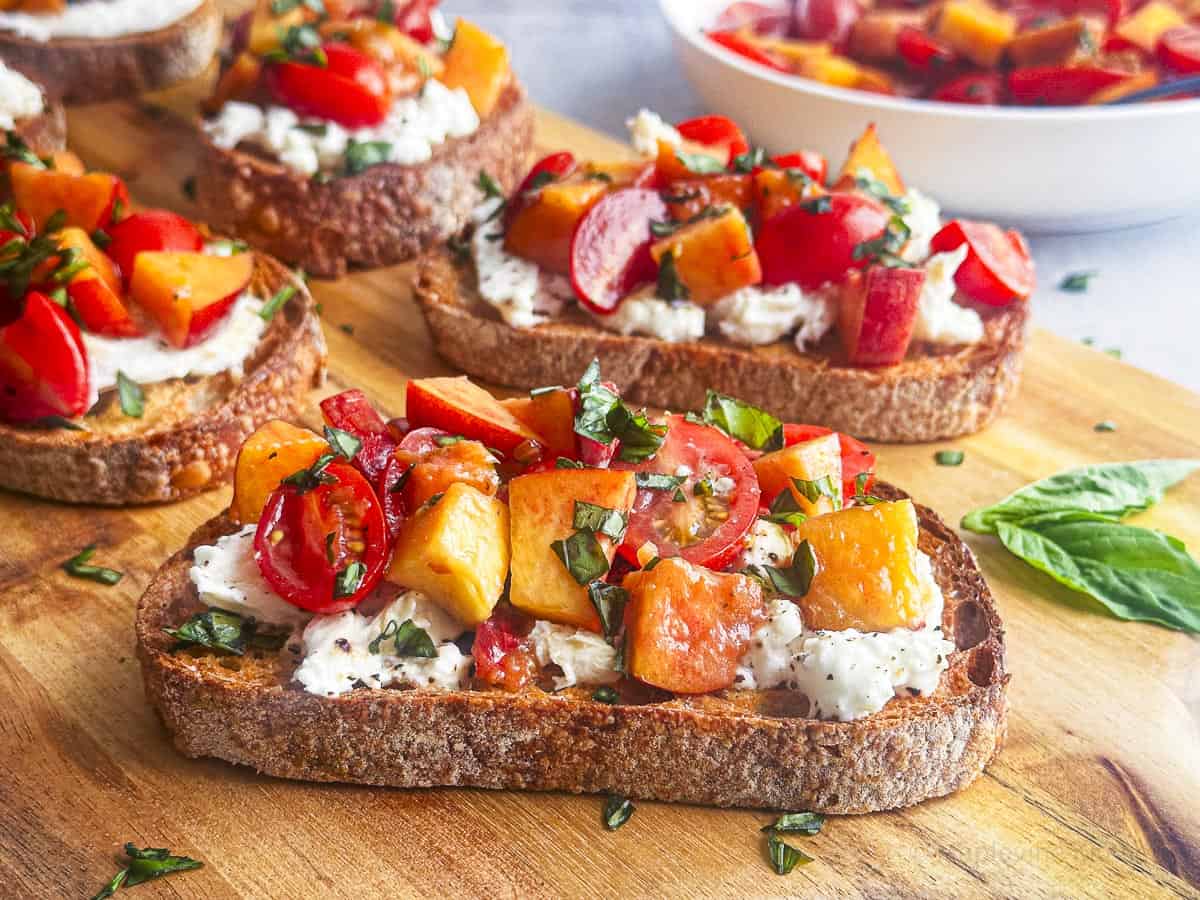
That restraint is part of what keeps my recipes approachable. A little bit of fancy doesn’t have to mean fussy.
Thinking Beyond the Recipe
I rarely think about recipes as stand-alone dishes.
As I’m developing one, I’m often imagining where it belongs in a larger meal. Could it become part of a summer dinner on the patio? A holiday menu? A cozy Sunday dinner? What would I serve alongside it to make the whole meal feel balanced and complete?
Thinking this way helps me create dishes that work beautifully on their own while also fitting naturally into the way we actually cook, serve, and share food.
It’s also why you’ll find so many pairing suggestions, menu ideas, and seasonal collections throughout Maplevine Kitchen. I want to help with more than the individual recipe—I want to make it easier to put all the pieces together.
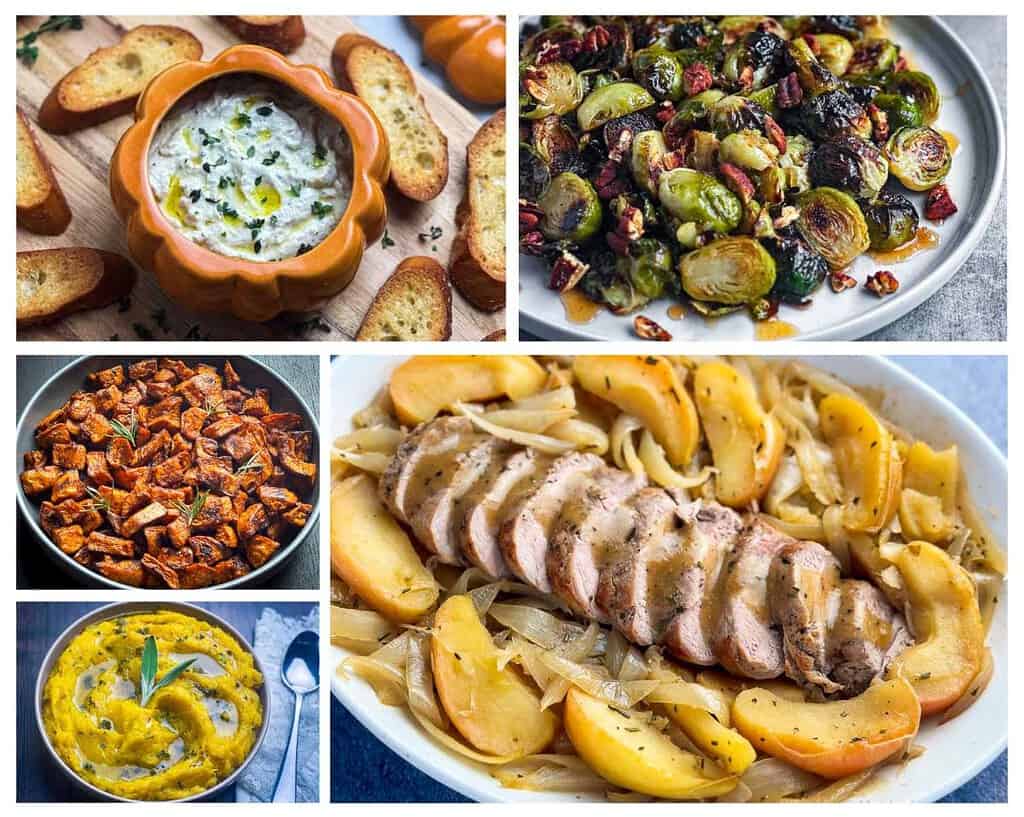
Presentation is Part of the Process
Long before I reach for fresh herbs or a drizzle of olive oil, I’m thinking about the serving piece itself.
Would this look best on a shallow platter or in a bowl? Should the ingredients be layered together, tossed, or arranged separately? Should the finished dish feel full and abundant, or would a little breathing room between the elements make a stronger presentation?
Then I think about color, contrast, and texture. And finally, whether the dish needs one last finishing touch.
My background in art history taught me to notice composition, balance, contrast, and negative space. My years in restaurants reinforced how much those details influence the experience of a meal. Today, those two worlds naturally come together every time I plate a recipe.
Presentation isn’t about making food look perfect. It’s about choosing the arrangement that shows the food at its best and makes you want to reach for the first bite.
When a Recipe Is Finished
So when do I know a recipe is done?
Not when the timer goes off. And not even when the flavors are right.
For me, it’s finished when the flavor feels balanced, the texture is exactly where I want it, and I’ve figured out the best way to present it.
Sometimes the only thing left is my favorite finishing touch—a drizzle of good extra virgin olive oil. Other times it’s fresh herbs, a little lemon zest, flaky salt, or freshly grated Parmesan.
Those little decisions are what you’ll find behind every recipe at Maplevine Kitchen.
My hope is that these recipes do more than answer the question, “What’s for dinner?” I hope they inspire you to notice the beauty of cooking with the seasons, appreciate thoughtful pairings, and see how a few carefully chosen details can make simple food feel just a little more special.
After all, that’s what Maplevine Kitchen has always been about: simple seasonal recipes with a little bit of fancy.
Happy cooking,
Allie 🍁